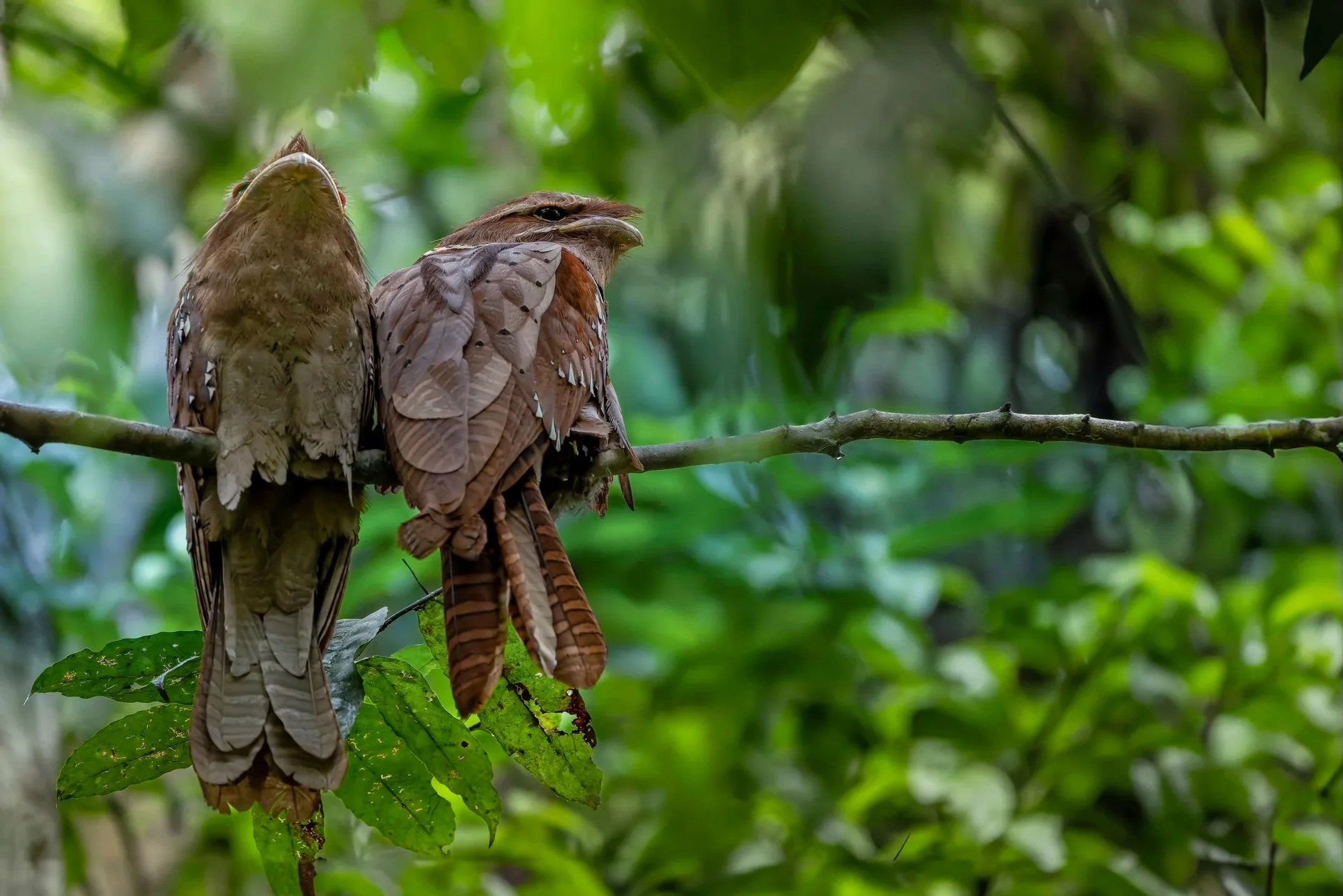
Large Frogmouth
Where every bird tells a story
Birdwatching, or birding, is the art of observing and appreciating birds in their natural habitats. It is a rewarding way to connect with nature, learn about wildlife, and contribute to conservation. Whether you are a beginner or an experienced birder, this guide will help you understand what birdwatching is, why it matters, and how to enjoy it responsibly.
by Tok Ki Pungut
Large Frogmouth
by Tok Ki Pungut
Where every bird tells a story
Birdwatching, or birding, is the art of observing and appreciating birds in their natural habitats. It is a rewarding way to connect with nature, learn about wildlife, and contribute to conservation. Whether you are a beginner or an experienced birder, this guide will help you understand what birdwatching is, why it matters, and how to enjoy it responsibly.
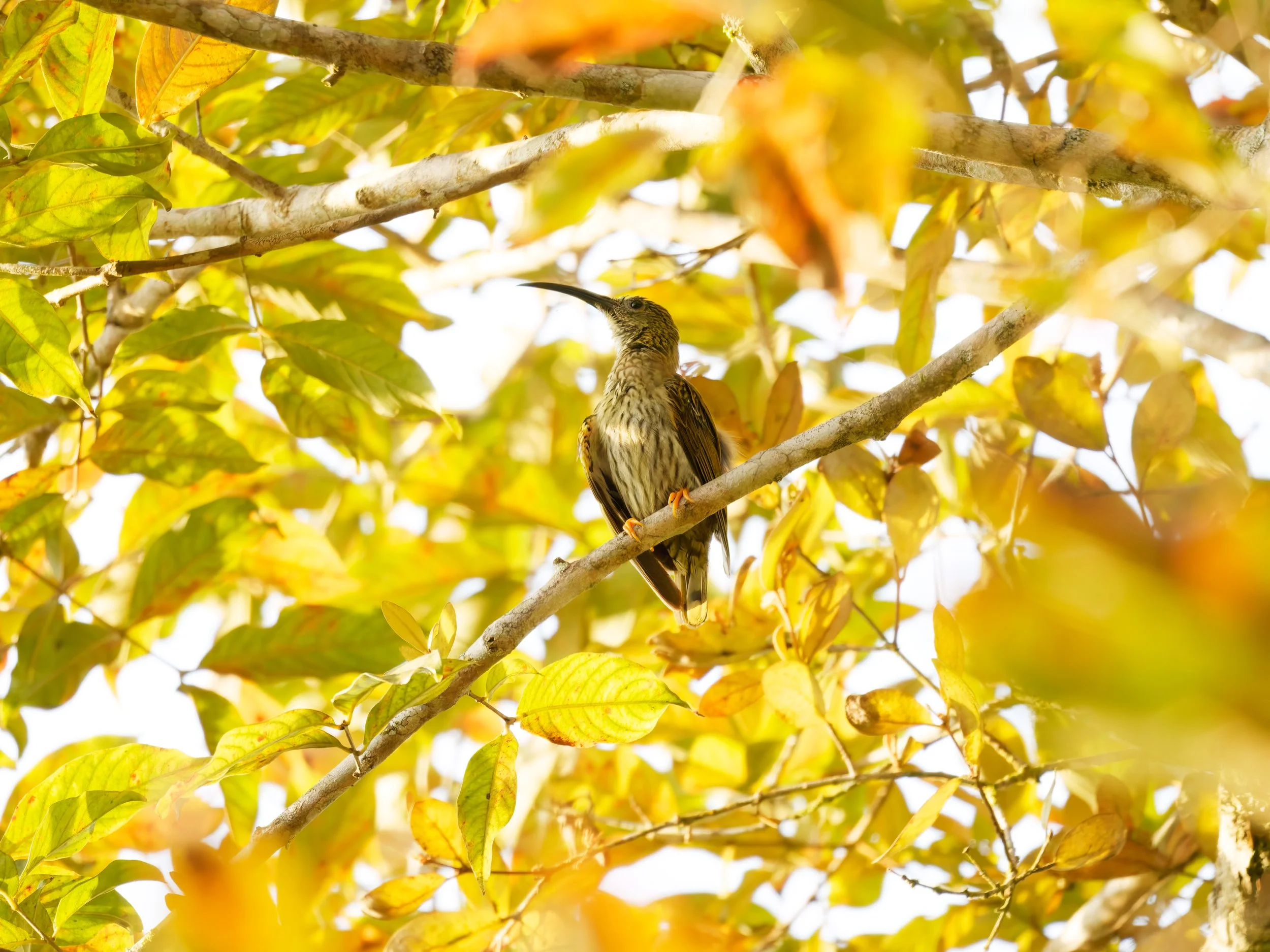
Streaked Spiderhunter
by Ho Jia En
What is Birdwatching?
Birdwatching, often called birding, is the activity of observing birds in their natural environments for enjoyment, learning, and appreciation of nature. Birdwatchers observe and identify birds based on their appearance, behavior, calls, and habitats. It is a hobby that can be enjoyed by anyone, regardless of age or experience level.
Birdwatching can take place in many different environments, including forests, wetlands, mangroves, coastal areas, grasslands, and even urban parks or gardens. Some people enjoy watching birds casually around their homes, while others travel to well-known birding locations to observe rare or unique species.
Most birdwatchers use simple tools such as binoculars, cameras, field guides, and mobile apps to help them identify and document birds. Bird photography has also become an increasingly popular part of birdwatching, allowing enthusiasts to capture and share images of birds in the wild.
Beyond being a rewarding outdoor activity, birdwatching also plays an important role in conservation and scientific research. Many birdwatchers contribute to citizen science projects such as bird surveys and bird counts, helping researchers monitor bird populations and understand changes in the environment.
Birdwatching encourages people to slow down, observe nature more closely, and develop a deeper appreciation for wildlife and natural habitats. By practicing responsible and ethical birdwatching, birders help ensure that birds can be observed without disturbing them or damaging the environments they depend on.
For many people, birdwatching becomes more than just a hobby, it becomes a lifelong journey of discovery and connection with the natural world.
Streaked Spiderhunter
by Ho Jia-En
Why Birdwatching Matters
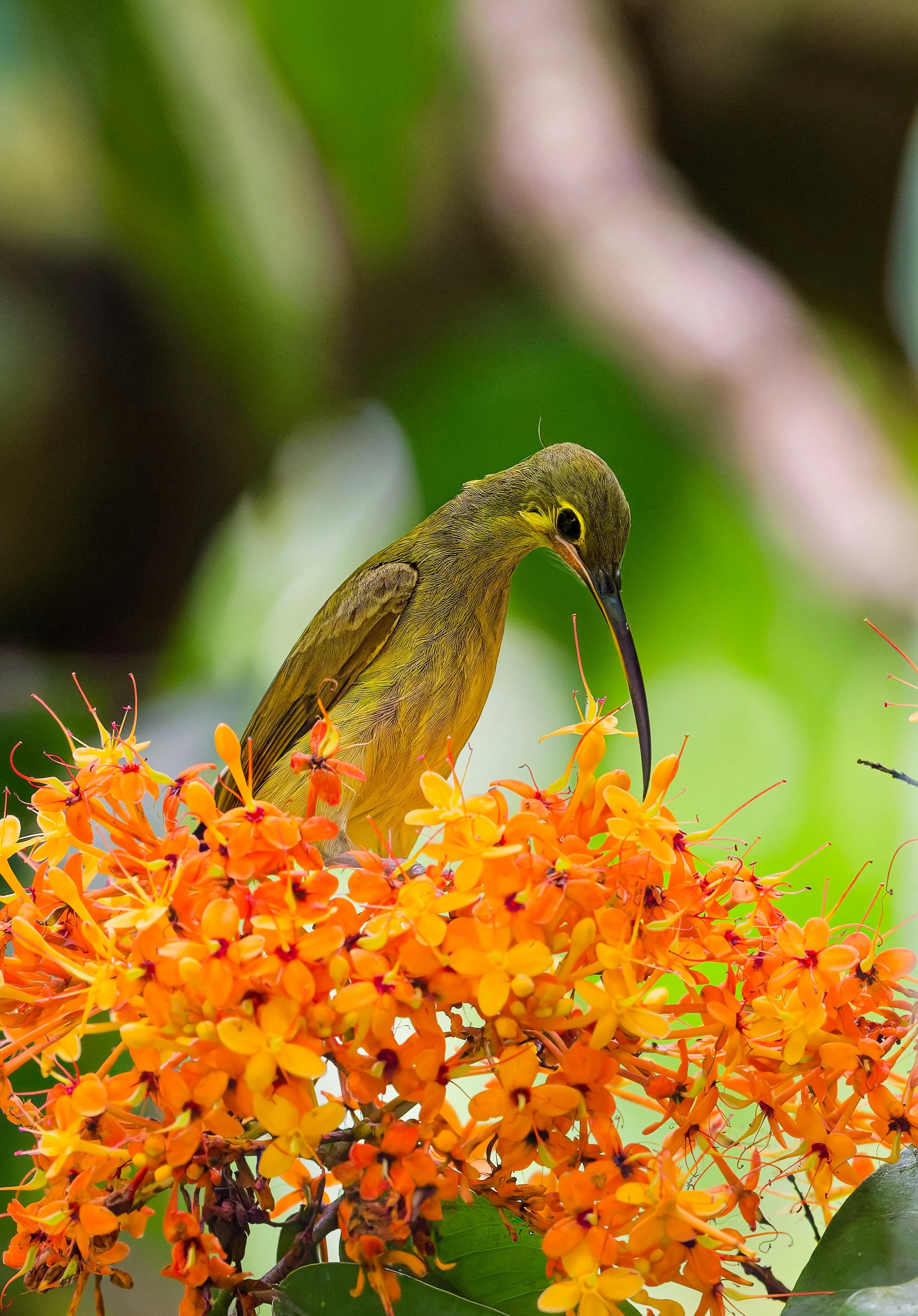
Birdwatching is more than simply observing birds in the wild, it is a meaningful way to connect with nature, learn about biodiversity, and contribute to conservation. Birds are among the most visible and widely distributed wildlife on the planet, making them an excellent gateway for people to develop a deeper appreciation for the natural world.
Birds also play an important role in maintaining healthy ecosystems. Many species act as pollinators, seed dispersers, and natural pest controllers, helping forests, wetlands, and agricultural landscapes function properly. When bird populations decline, it often signals broader environmental problems such as habitat loss, pollution, or climate change. For this reason, birds are often considered important indicators of environmental health.
Malaysia is recognized as one of the world’s biodiversity hotspots, with hundreds of bird species found across its forests, wetlands, mountains, and coastal ecosystems. From colorful forest birds to migratory species that travel thousands of kilometers across continents, Malaysia’s birdlife reflects the richness of its natural heritage. Birdwatching allows people to discover and appreciate this diversity firsthand.
Beyond its ecological value, birdwatching also offers personal and social benefits. It encourages people to spend time outdoors, observe their surroundings more carefully, and develop patience and curiosity about nature. Birdwatching can be enjoyed individually or as part of a community, bringing together people who share a passion for wildlife and conservation.
Through responsible birdwatching practices, birders can help ensure that birds are observed in a way that respects their welfare and protects their habitats. By sharing knowledge, supporting conservation efforts, and participating in activities such as bird surveys and citizen science projects, birdwatchers can play an active role in documenting and protecting bird populations.
In this way, birdwatching is not only a rewarding hobby but also a valuable contribution to nature appreciation, education, and conservation
How to Start Birdwatching
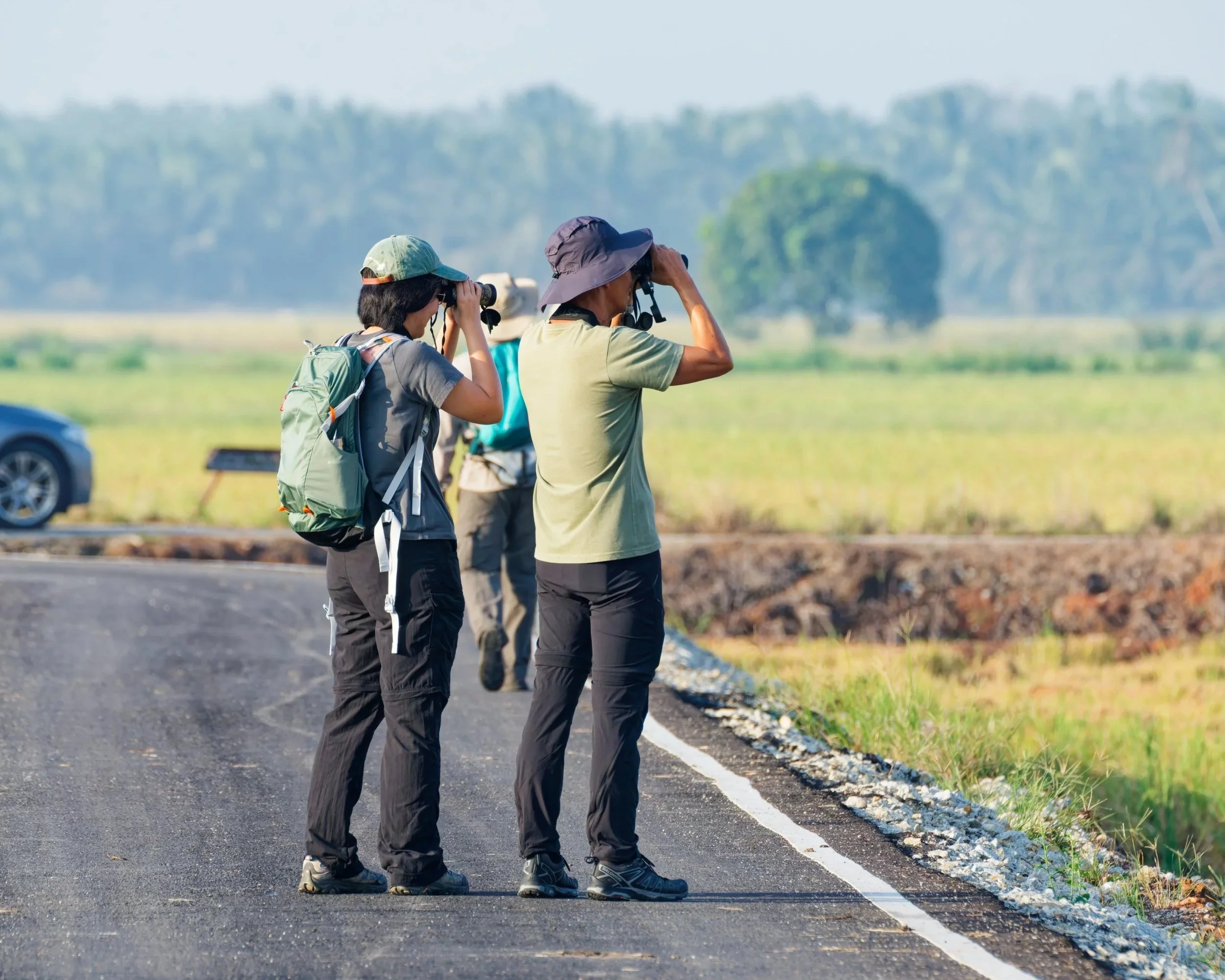
Birdwatching is one of the easiest nature activities to begin, as it requires very little equipment and can be done almost anywhere. The best way to start is simply by observing the birds around you, whether in your neighborhood, local parks, or nearby natural areas.
A good pair of binoculars can greatly enhance the experience by allowing you to see birds more clearly without disturbing them. Many birdwatchers also use field guides or mobile apps like Merlin Bird ID to help identify different species based on their colors, shapes, and calls.
Beginners are encouraged to pay attention to key details such as the size of the bird, the color patterns, its behavior, and the habitat where it is found. Over time, these observations help birdwatchers become more confident in identifying species.
Joining birdwatching outings or activities organized by bird clubs can also be very helpful for beginners. Learning from experienced birders allows newcomers to improve their observation skills and discover new birding locations.
Most importantly, birdwatching should be an enjoyable experience. With patience and curiosity, every outing can reveal something new about the fascinating world of birds.
Ethical Birdwatching
Responsible birdwatching is essential to ensure that birds are observed without causing disturbance or harm to them or their habitats. Ethical birding practices help protect wildlife and maintain the natural environments that birds depend on.
Birdwatchers should always keep a respectful distance from birds, especially during nesting or breeding seasons. Approaching too closely or attempting to handle birds can cause stress and may disrupt their natural behavior.
It is also important to avoid damaging habitats when observing birds. Staying on established paths, minimizing noise, and refraining from disturbing vegetation or nests helps protect the ecosystem.
Bird photographers and birdwatchers should also avoid the excessive use of playback calls or baiting, as these practices may interfere with birds’ natural behaviors.
By practicing ethical birdwatching, birders help create a culture of respect for wildlife and nature, ensuring that birds can be enjoyed by future generations.